
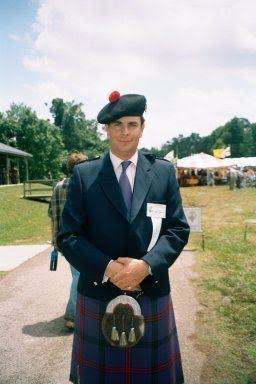
The Earl of EglintonThe Baron of Kilwinning
(other titles are peerages), Hereditary Sheriff, (heritable office), Clan Chief

The Rt Hon The Earl of Eglinton (Hugh Archibald William Montgomerie, 19th and 7th Earl of Eglinton and Winton, Lord Montgomerie, Baron Ardrossan and Baron Seton and Tranent in the peerage - Baron of Kilwinning in the baronage of Scotland - Hereditary Sheriff of Renfrewshire - Clan Chief of Montgomery)
peer addressed as My Lord or Lord Eglinton
Credentials
- • RPS, 1612/10/71 ('Act in favour of [Michael Balfour], lord [Balfour of] Burleigh') (23 Oct 1612) rps.ac.uk/trans/1612/10/71 ; RMS vii, no. 1230, p. 451 (26 Apr 1615) (26 Apr 1615) archive.org/…/1up
- • PLEDGED HEREDITARY TITLE, pledged by the Roll: baronies held across generations are treated by the Roll, for its own purposes, as de facto hereditary. The title becomes unrecognised by the Roll if the barony is later conveyed outside the family, in accordance with Roll policy.
A note on terminology: “Scottish feudal barony” or “feudal title” is an incorrect, defunct historical term for extant barons. Baronies were feudal until 28 November 2004, when feudal baronies were abolished and the dignity of baron was retained — an extant barony is no longer “feudal”. The correct term is Scottish barony or Scottish baron (or baron, lord or earl in the Baronage of Scotland, collectively the minor barons of Scotland); never “feudal baron”. Why the term is defunct →
A barony pledged on the Roll of Scottish Barons is treated by the Roll as hereditary and not in commercio. A pledged barony later conveyed outside the family forfeits its recognition on the Roll in perpetuity. What “Hereditary on the Roll” means →